Education
Graduate Program
Our dual-degree MBA/MS prepares you to make a lasting impact through business, all while you’re supported by a tight-knit community dedicated to pursuing a just and sustainable world.
Education
Graduate Program
Our dual-degree MBA/MS prepares you to make a lasting impact through business, all while you’re supported by a tight-knit community dedicated to pursuing a just and sustainable world.
Education
Graduate Program
Our dual-degree MBA/MS prepares you to make a lasting impact through business, all while you’re supported by a tight-knit community dedicated to pursuing a just and sustainable world.
Menu
Change Makers
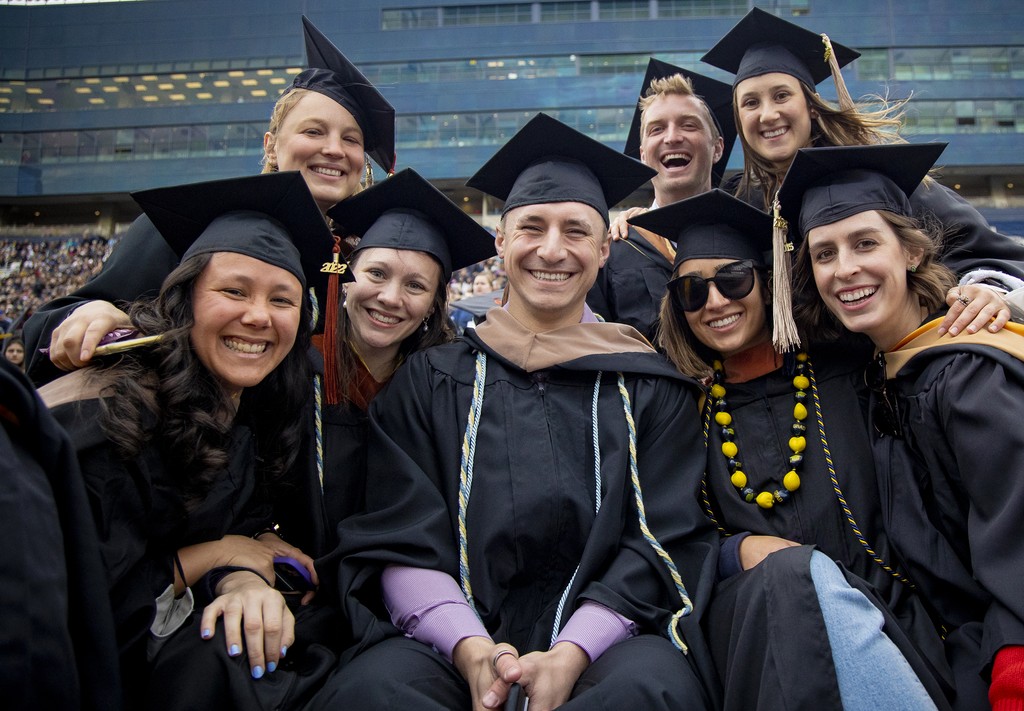
Erb’s MBA/MS program couples rigorous, action-based learning offered at Michigan Ross with the systems thinking and interdisciplinary education of SEAS to deliver the knowledge and leadership skills you need to enact change in an organization. In just two and a half to three years, you’ll graduate with two degrees, unlimited opportunities for impact and a lifelong community of purpose-driven peers all over the world.

Change Makers
Erb’s MBA/MS program couples rigorous, action-based learning offered at Michigan Ross with the systems thinking and interdisciplinary education of SEAS to deliver the knowledge and leadership skills you need to enact change in an organization. In just two and a half to three years, you’ll graduate with two degrees, unlimited opportunities for impact and a lifelong community of purpose-driven peers all over the world.
Change Makers
Erb’s MBA/MS program couples rigorous, action-based learning offered at Michigan Ross with the systems thinking and interdisciplinary education of SEAS to deliver the knowledge and leadership skills you need to enact change in an organization. In just two and a half to three years, you’ll graduate with two degrees, unlimited opportunities for impact and a lifelong community of purpose-driven peers all over the world.
Student Voices



Visit Us
If you’re thinking about visiting campus, we’d love to meet you! On of our AmbassadErbs (student ambassadors) can show you around, introduce you to other current Erb students, and help answer any questions you might have about the Erb program.
Join Our Community
At the Erb Institute, you will find yourself part of a deeply connected community of students and alumni who are supportive of each other and energized about creating a sustainable world through the power of business.
Visit Us
If you’re thinking about visiting campus, we’d love to meet you! On of our AmbassadErbs (student ambassadors) can show you around, introduce you to other current Erb students, and help answer any questions you might have about the Erb program.
Join Our Community
At the Erb Institute, you will find yourself part of a deeply connected community of students and alumni who are supportive of each other and energized about creating a sustainable world through the power of business.
Visit Us
If you’re thinking about visiting campus, we’d love to meet you! On of our AmbassadErbs (student ambassadors) can show you around, introduce you to other current Erb students, and help answer any questions you might have about the Erb program.
Join Our Community
At the Erb Institute, you will find yourself part of a deeply connected community of students and alumni who are supportive of each other and energized about creating a sustainable world through the power of business.
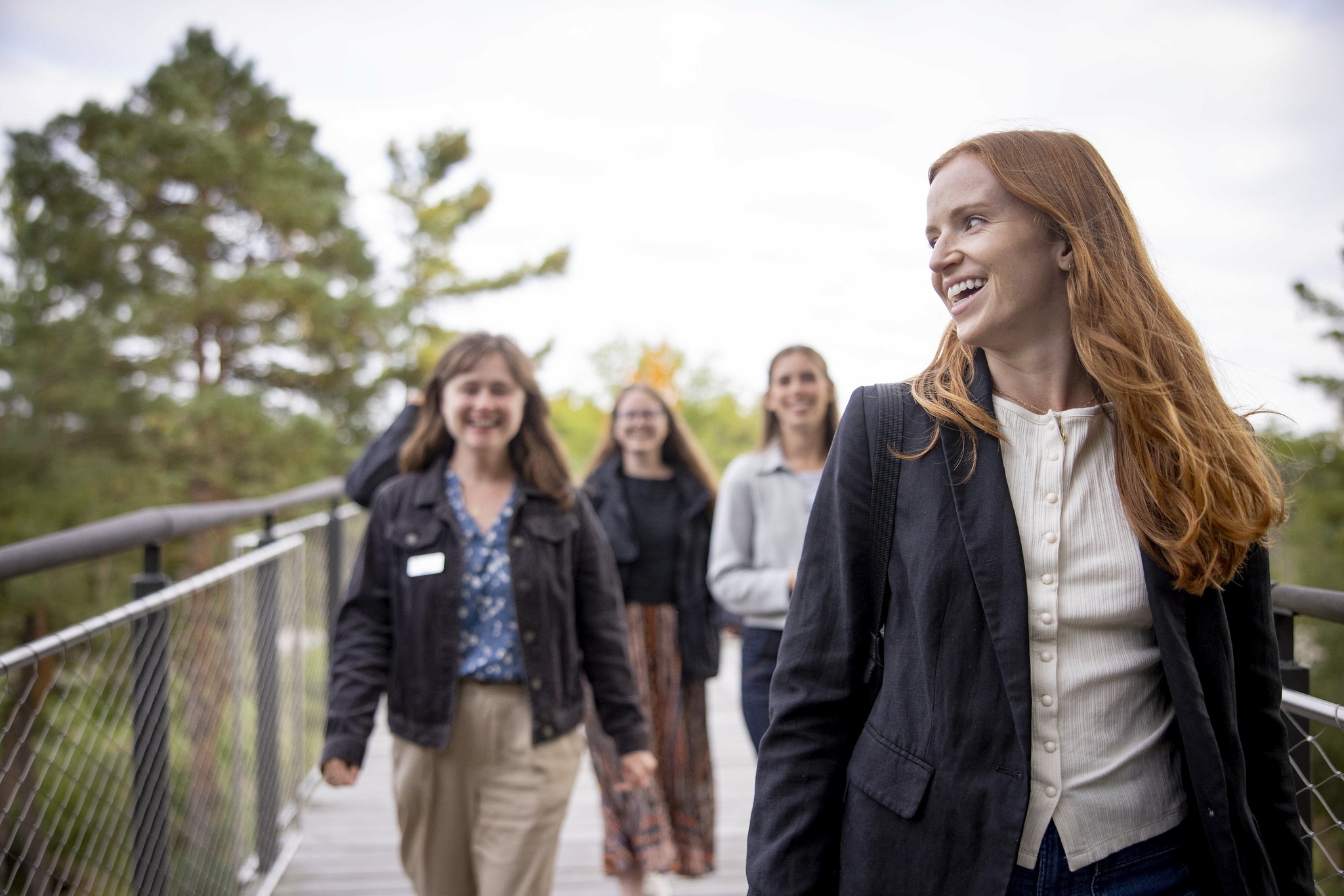
Within just the first few days of being in Ann Arbor and part of the Erb program, I was struck by how quickly our cohort grew close. We went from introductions to genuine friendships almost immediately, and there is a real sense of openness and mutual support where people show up for each other not just academically, but personally as well. Having that kind of community so early on has made a huge difference in how supported and grounded I feel.
Catherine Good
MBA/MS ‘28
Within just the first few days of being in Ann Arbor and part of the Erb program, I was struck by how quickly our cohort grew close. We went from introductions to genuine friendships almost immediately, and there is a real sense of openness and mutual support where people show up for each other not just academically, but personally as well. Having that kind of community so early on has made a huge difference in how supported and grounded I feel.
Catherine Good
MBA/MS ‘28
Within just the first few days of being in Ann Arbor and part of the Erb program, I was struck by how quickly our cohort grew close. We went from introductions to genuine friendships almost immediately, and there is a real sense of openness and mutual support where people show up for each other not just academically, but personally as well. Having that kind of community so early on has made a huge difference in how supported and grounded I feel.
Catherine Good
MBA/MS ‘28
FAQs
Program
Question
What careers are Erb students and alumni pursuing?
Answer
Erb alumni are enacting change across industries, including consulting, impact investing, food and agriculture, energy, consumer packaged goods, supply chain, and more. You can learn more on our Careers page.
Question
What courses do Erb students take?
Answer
Students enrolled in the dual-degree program must take the core required courses at both SEAS and Ross. SEAS students also need to determine a track of study (see the full list of SEAS tracks here). Once students in both schools fulfill their core requirements, they may choose to enroll in elective courses. In addition to the core courses of the MBA and MS degrees, Erb Institute students are required to enroll in Erb on the Road, a course designed exclusively for first-year Erb students. The course introduces a carefully selected set of sustainability issues and management tools that sustainability professionals should understand before entering the marketplace. The course also provides a framework for career visioning in sustainability.
Question
What does “Erb” stand for?
Answer
The Erb Institute is named after Frederick A. and Barbara M. Erb, who founded the institute in 1996 and have provided vital support and contributions in the ensuing years. Click here for more information regarding the founders.
Question
What is the difference between pursuing the dual-degree MBA/MS or the ESG concentration through the Ross MBA?
Answer
Unlike the ESG concentration through the Ross MBA, the Erb Institute dual-degree MBA/MS places sustainability at the core of your degree—not as a specialization within it. In addition to exclusive cohort programming, workshops, funding, and networking opportunities, the dual-degree provides deep expertise in both business and sustainability, preparing you to drive lasting impact at the company and community level. It's the right fit if you want sustainability to define your career, not just inform it.
Question
What types of internships are available to Erb students during their graduate studies?
Answer
Because the Erb Institute dual degree is a 2.5- or 3-year program, students have have the opportunity to pursue two summer internships. Erb students can use both Ross Career Services and SEAS Career Services during their efforts. The Erb Institute also assists with any additional searches off campus or within our business network. The Erb Institute Student Advisory Board regularly holds career workshops throughout the year, which help to connect current students with alumni and board members to help navigate the process.
Question
What is the difference between completing the graduate dual-degree MBA/MS in 3 years vs. 2.5 years?
Answer
If you want to complete the dual-degree MBA/MS in 2.5 years, a course load of 15 to 16 credits per term is recommended. You will need to work closely with academic advisors from both Ross and SEAS to ensure they are completing credits for both programs.
Question
If I get accepted to both schools, which school should I start in?
Answer
As an Erb student, you can start at either the School for Environment and Sustainability or Ross. Historically, most students have opted to start at SEAS, but in recent years, an increasing number of students are choosing to start at Ross. Each student’s decision for where to start is deeply personal, shaped by factors such as funding, individual preferences, and preferred program timeline. You will select your starting school the summer before your first term, and are strongly encouraged to consult academic advisors from both Ross and SEAS, Erb staff, and current students before making your decision. Because Erb is an interdisciplinary program, you may take courses in and access all the resources at both schools, even when you're primarily enrolled in only one.
Question
What careers are Erb students and alumni pursuing?
Question
What is the difference between pursuing the dual-degree MBA/MS or the ESG concentration through the Ross MBA?
Question
What is the difference between completing the graduate dual-degree MBA/MS in 3 years vs. 2.5 years?
Question
What courses do Erb students take?
Question
What types of internships are available to Erb students during their graduate studies?
Question
If I get accepted to both schools, which school should I start in?
Question
What does “Erb” stand for?
Question
What careers are Erb students and alumni pursuing?
Answer
Erb alumni are enacting change across industries, including consulting, impact investing, food and agriculture, energy, consumer packaged goods, supply chain, and more. You can learn more on our Careers page.
Question
What is the difference between completing the graduate dual-degree MBA/MS in 3 years vs. 2.5 years?
Answer
If you want to complete the dual-degree MBA/MS in 2.5 years, a course load of 15 to 16 credits per term is recommended. You will need to work closely with academic advisors from both Ross and SEAS to ensure they are completing credits for both programs.
Question
What types of internships are available to Erb students during their graduate studies?
Answer
Because the Erb Institute dual degree is a 2.5- or 3-year program, students have have the opportunity to pursue two summer internships. Erb students can use both Ross Career Services and SEAS Career Services during their efforts. The Erb Institute also assists with any additional searches off campus or within our business network. The Erb Institute Student Advisory Board regularly holds career workshops throughout the year, which help to connect current students with alumni and board members to help navigate the process.
Question
What does “Erb” stand for?
Answer
The Erb Institute is named after Frederick A. and Barbara M. Erb, who founded the institute in 1996 and have provided vital support and contributions in the ensuing years. Click here for more information regarding the founders.
Question
What is the difference between pursuing the dual-degree MBA/MS or the ESG concentration through the Ross MBA?
Answer
Unlike the ESG concentration through the Ross MBA, the Erb Institute dual-degree MBA/MS places sustainability at the core of your degree—not as a specialization within it. In addition to exclusive cohort programming, workshops, funding, and networking opportunities, the dual-degree provides deep expertise in both business and sustainability, preparing you to drive lasting impact at the company and community level. It's the right fit if you want sustainability to define your career, not just inform it.
Question
What courses do Erb students take?
Answer
Students enrolled in the dual-degree program must take the core required courses at both SEAS and Ross. SEAS students also need to determine a track of study (see the full list of SEAS tracks here). Once students in both schools fulfill their core requirements, they may choose to enroll in elective courses. In addition to the core courses of the MBA and MS degrees, Erb Institute students are required to enroll in Erb on the Road, a course designed exclusively for first-year Erb students. The course introduces a carefully selected set of sustainability issues and management tools that sustainability professionals should understand before entering the marketplace. The course also provides a framework for career visioning in sustainability.
Question
If I get accepted to both schools, which school should I start in?
Answer
As an Erb student, you can start at either the School for Environment and Sustainability or Ross. Historically, most students have opted to start at SEAS, but in recent years, an increasing number of students are choosing to start at Ross. Each student’s decision for where to start is deeply personal, shaped by factors such as funding, individual preferences, and preferred program timeline. You will select your starting school the summer before your first term, and are strongly encouraged to consult academic advisors from both Ross and SEAS, Erb staff, and current students before making your decision. Because Erb is an interdisciplinary program, you may take courses in and access all the resources at both schools, even when you're primarily enrolled in only one.
Admissions
Question
What funding opportunities are available to Erb students?
Question
Do I need a science or business undergraduate degree to apply to Ross and/or SEAS?
Question
What is the application process for the Erb MBA/MS Program?
Question
I am an international student. How do I apply?
Question
Should I apply to both schools at the same time? Can I apply to one school first, and then the other once I’m in Ann Arbor as a student?
Question
What funding opportunities are available to Erb students?
Question
What is the application process for the Erb MBA/MS Program?
Question
Should I apply to both schools at the same time? Can I apply to one school first, and then the other once I’m in Ann Arbor as a student?
Question
Do I need a science or business undergraduate degree to apply to Ross and/or SEAS?
Question
I am an international student. How do I apply?
Question
What funding opportunities are available to Erb students?
Question
Should I apply to both schools at the same time? Can I apply to one school first, and then the other once I’m in Ann Arbor as a student?
Question
I am an international student. How do I apply?
Question
What is the application process for the Erb MBA/MS Program?
Question
Do I need a science or business undergraduate degree to apply to Ross and/or SEAS?
Questions?
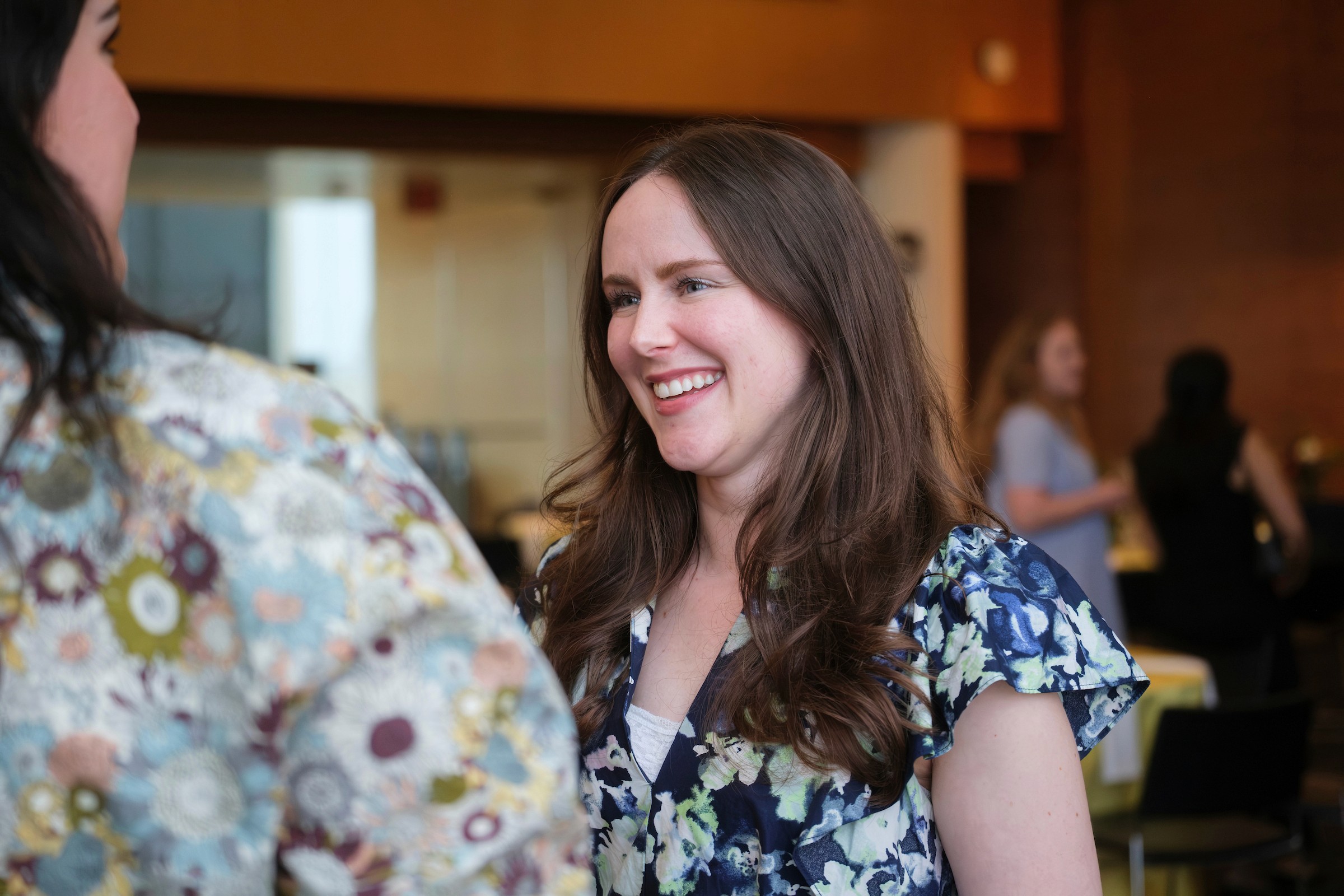
Email Erb Institute Student Affairs Program Manager, Melissa Coveney. Or reach out to one of our student AmbassadErbs!
Questions?
Email Erb Institute Student Affairs Program Manager, Melissa Coveney. Or reach out to one of our student AmbassadErbs!
Stay Connected
Don’t miss what’s next
Join the Erb Institute mailing list to learn more about our programs and opportunities!
Stay Connected
Don’t miss what’s next
Join the Erb Institute mailing list to learn more about our programs and opportunities!
Stay Connected
Don’t miss what’s next
Join the Erb Institute mailing list to learn more about our programs and opportunities!