Education
Undergraduate Program
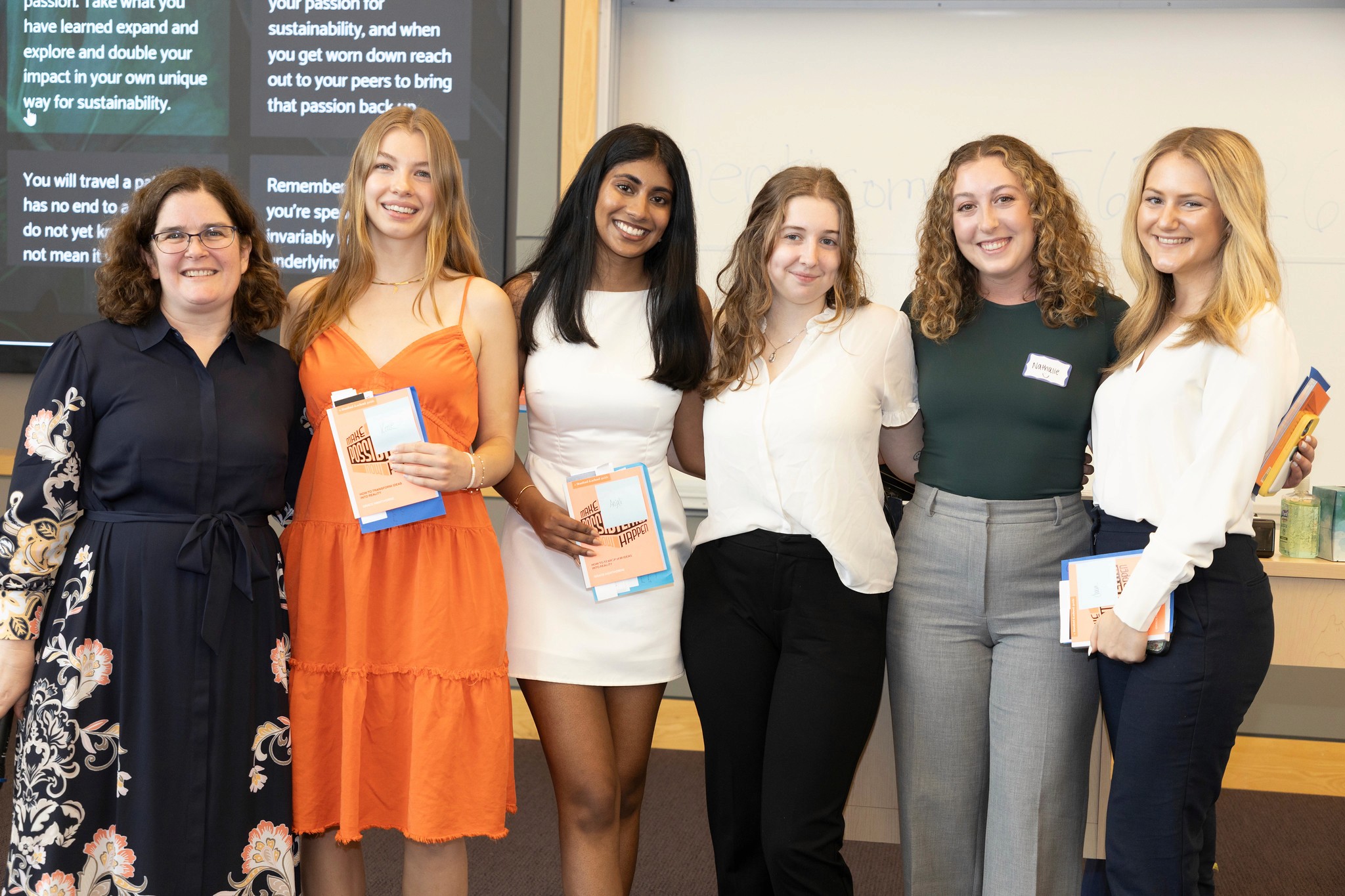
The Erb Institute’s Undergraduate Fellows program is the first of its kind—an opportunity for undergraduate students to develop a tangible skillset to create a lasting impact on business and sustainability.
Education
Undergraduate Program
The Erb Institute’s Undergraduate Fellows program is the first of its kind—an opportunity for undergraduate students to develop a tangible skillset to create a lasting impact on business and sustainability.
Education
Undergraduate Program
The Erb Institute’s Undergraduate Fellows program is the first of its kind—an opportunity for undergraduate students to develop a tangible skillset to create a lasting impact on business and sustainability.
Menu
One of a Kind
We don’t do business as usual. We believe that business can be a tool for good—a tool to dismantle the status quo and create sustainable solutions on a global scale. The Erb Undergraduate Fellows program will equip you with the skills and experiences to drive social, environmental and economic change after graduation.

One of a Kind
We don’t do business as usual. We believe that business can be a tool for good—a tool to dismantle the status quo and create sustainable solutions on a global scale. The Erb Undergraduate Fellows program will equip you with the skills and experiences to drive social, environmental and economic change after graduation.
One of a Kind
We don’t do business as usual. We believe that business can be a tool for good—a tool to dismantle the status quo and create sustainable solutions on a global scale. The Erb Undergraduate Fellows program will equip you with the skills and experiences to drive social, environmental and economic change after graduation.
Business for good.
The largest problems facing the world today cannot be solved by government and nonprofits alone. At the Erb Institute, we see business as a driving force for good. We believe business has a crucial role to play in creating a socially, environmentally and economically sustainable world.
After decades of leading in graduate business and sustainability education, we have launched a program for undergraduate students: Erb Undergraduate Fellows.
This program is designed to help you lead with purpose after graduation—equipping you with educational opportunities, resources and experiences necessary to make decisions for the triple bottom line: people, planet, prosperity.
Business + Sustainability
Education.
Community.
Co-Curriculars.
Business for good.
The largest problems facing the world today cannot be solved by government and nonprofits alone. At the Erb Institute, we see business as a driving force for good. We believe business has a crucial role to play in creating a socially, environmentally and economically sustainable world.
After decades of leading in graduate business and sustainability education, we have launched a program for undergraduate students: Erb Undergraduate Fellows.
This program is designed to help you lead with purpose after graduation—equipping you with educational opportunities, resources and experiences necessary to make decisions for the triple bottom line: people, planet, prosperity.
Business + Sustainability
Education.
Community.
Co-Curriculars.
Business for good.
The largest problems facing the world today cannot be solved by government and nonprofits alone. At the Erb Institute, we see business as a driving force for good. We believe business has a crucial role to play in creating a socially, environmentally and economically sustainable world.
After decades of leading in graduate business and sustainability education, we have launched a program for undergraduate students: Erb Undergraduate Fellows.
This program is designed to help you lead with purpose after graduation—equipping you with educational opportunities, resources and experiences necessary to make decisions for the triple bottom line: people, planet, prosperity.
Business + Sustainability
Education.
Community.
Co-Curriculars.
I really enjoyed the coursework, the community, and found the career opportunities to be incredibly helpful. I think the people - students, professors, and alumni - are some of the most smart, interesting, driven individuals I've met. I considered my time as an Erb Fellow the center of my undergrad experience and would recommend it to anyone passionate about driving impact in their career.
Zachary Marmet
Erb Undergraduate Fellow '23

I really enjoyed the coursework, the community, and found the career opportunities to be incredibly helpful. I think the people - students, professors, and alumni - are some of the most smart, interesting, driven individuals I've met. I considered my time as an Erb Fellow the center of my undergrad experience and would recommend it to anyone passionate about driving impact in their career.
Zachary Marmet
Erb Undergraduate Fellow '23
94%
94%
of Erb Fellows alumni would “highly recommend” the Fellows Program
of Erb Fellows alumni would “highly recommend” the Fellows Program
of Erb Fellows alumni would “highly recommend” the Fellows Program
FAQs
Program
Question
Why should I apply to be an Erb Fellow?
Answer
At the Erb Institute, we are committed to helping equip and prepare you for the challenges and opportunities that will emerge as you embark on your professional careers. As an Erb Fellow, you’ll be introduced to new ways of thinking and doing through a series of carefully curated classroom and co-curricular opportunities, field experiences, impact-focused projects and, importantly, a tight-knit and supportive community of fellow sustainability champions who share your vision for a sustainable world.
Question
What courses do Erb Fellows take?
Answer
Erb Fellows take a variety of courses, depending on their major, minor and scheduling needs. While first ensuring they are satisfying the curricular requirements of their major(s) and minor(s) (if applicable), Fellows are expected to successfully complete 12-credits of coursework from a curated set of 300- and 400- level courses that address the intersection on business and sustainability. While most of the courses included on the Erb Fellows course menu are drawn from the Ross Business School and the College of Literature, Science and the Arts (LSA), there are also a number of approved courses from other schools, including the Ford School of Public Policy, Taubman College of Architecture, and others.
Question
To successfully complete the Erb Fellows program, what will I be required to do?
Answer
As an Erb Fellow, you will be required to successfully complete 12-credits of courses from a list of selected 300- and 400-level courses that address business sustainability-related topics. You will also be expected to participate regularly in co-curricular and community-building activities, participating in a minimum of five co-curricular activities per academic year.
Question
What opportunities are offered to Erb Fellows?
Answer
In addition to connecting with the larger Erb community, the Erb Institute also offers a number of opportunities for Fellows. We offer exclusive co-curricular learning opportunities for Fellows including career talks, business sustainability workshops, and rotating panels. We support action-based learning project opportunities, invite innovative speakers to share their perspectives, and create new and exciting learning opportunities for Fellows. We also offer special funding opportunities towards professional development and internships for eligible students, along with networking opportunities with our graduate students, alumni and members of our Erb Institute Strategic Advisory Council.
Question
What are the benefits of being an Erb Fellow?
Answer
Erb Fellows are members of a large, welcoming and supportive community of individuals that are committed to leveraging business to make the world a more sustainable place. In addition to joining a community of like-minded U-M undergraduate students, Erb Fellows have access to our alumni and partner networks—these networks for business sustainability practitioners span across a number of global industries, sectors.
Question
What is the Erb Fellows Council? How can I join?
Answer
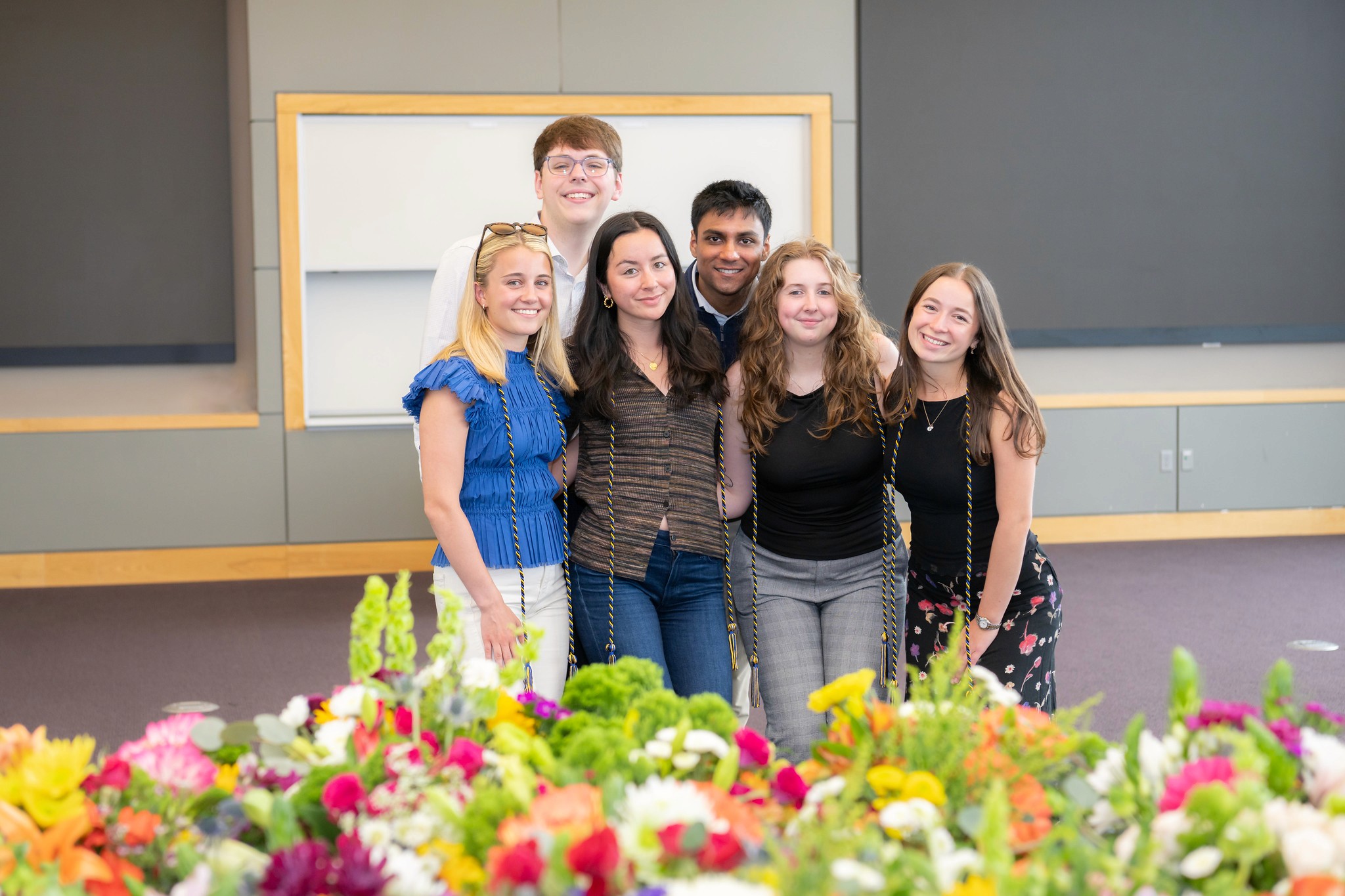
Members of the Erb Fellows Student Council work closely with Erb staff to build community, offer feedback, pilot new programming and enhance the opportunities the program offers. The six Fellows who make up the Erb Fellows Council will represent the larger Fellows cohort and will also lead the development of strategy for the council itself, including facilitating community opportunities for students.
Question
Why should I apply to be an Erb Fellow?
Answer
At the Erb Institute, we are committed to helping equip and prepare you for the challenges and opportunities that will emerge as you embark on your professional careers. As an Erb Fellow, you’ll be introduced to new ways of thinking and doing through a series of carefully curated classroom and co-curricular opportunities, field experiences, impact-focused projects and, importantly, a tight-knit and supportive community of fellow sustainability champions who share your vision for a sustainable world.
Question
What are the benefits of being an Erb Fellow?
Answer
Erb Fellows are members of a large, welcoming and supportive community of individuals that are committed to leveraging business to make the world a more sustainable place. In addition to joining a community of like-minded U-M undergraduate students, Erb Fellows have access to our alumni and partner networks—these networks for business sustainability practitioners span across a number of global industries, sectors.
Question
What opportunities are offered to Erb Fellows?
Answer
In addition to connecting with the larger Erb community, the Erb Institute also offers a number of opportunities for Fellows. We offer exclusive co-curricular learning opportunities for Fellows including career talks, business sustainability workshops, and rotating panels. We support action-based learning project opportunities, invite innovative speakers to share their perspectives, and create new and exciting learning opportunities for Fellows. We also offer special funding opportunities towards professional development and internships for eligible students, along with networking opportunities with our graduate students, alumni and members of our Erb Institute Strategic Advisory Council.
Question
To successfully complete the Erb Fellows program, what will I be required to do?
Answer
As an Erb Fellow, you will be required to successfully complete 12-credits of courses from a list of selected 300- and 400-level courses that address business sustainability-related topics. You will also be expected to participate regularly in co-curricular and community-building activities, participating in a minimum of five co-curricular activities per academic year.
Question
What courses do Erb Fellows take?
Answer
Erb Fellows take a variety of courses, depending on their major, minor and scheduling needs. While first ensuring they are satisfying the curricular requirements of their major(s) and minor(s) (if applicable), Fellows are expected to successfully complete 12-credits of coursework from a curated set of 300- and 400- level courses that address the intersection on business and sustainability. While most of the courses included on the Erb Fellows course menu are drawn from the Ross Business School and the College of Literature, Science and the Arts (LSA), there are also a number of approved courses from other schools, including the Ford School of Public Policy, Taubman College of Architecture, and others.
Question
What is the Erb Fellows Council? How can I join?
Answer
Members of the Erb Fellows Student Council work closely with Erb staff to build community, offer feedback, pilot new programming and enhance the opportunities the program offers. The six Fellows who make up the Erb Fellows Council will represent the larger Fellows cohort and will also lead the development of strategy for the council itself, including facilitating community opportunities for students.
Question
Why should I apply to be an Erb Fellow?
Question
To successfully complete the Erb Fellows program, what will I be required to do?
Question
What are the benefits of being an Erb Fellow?
Question
What courses do Erb Fellows take?
Question
What opportunities are offered to Erb Fellows?
Question
What is the Erb Fellows Council? How can I join?
Admissions
Question
How do I know if I am eligible to be an Erb Fellow?
Answer
Eligible applicants to the Erb Fellows must meet all of the following requirements:
Major or minor in the Ross School of Business or Program in the Environment (PitE); *
Rising junior status;
Eligible applicants are strongly encouraged to have successfully completed ENVIRON 207 or 208 prior to starting the Erb program.
Question
I have applied for a business minor or PitE major/minor, but have not been accepted yet. Can I still apply?
Answer
Yes- please apply even if your major or minor is not confirmed. We are looking for high-quality applicants with a deep passion for business and sustainability. We encourage you to apply even if you are not fully accepted into these programs yet.
Question
How do I apply to be an Erb Fellow?
Answer
Applicants must complete a brief online application that will include 3 brief essays and provide a resume. The application will open in late Fall, and will remain open until mid-January. The application will be posted on the Undergraduate Erb Fellows Admissions page.
Question
I have a minor in Real Estate or Entrepreneurship, both not technically considered Ross minors. Can I apply anyway?
Answer
Yes—please apply to the Erb Fellows program if you have a deep passion for business and sustainability, especially if you would like to pursue a career in sustainable business.
Question
I haven’t taken ENVIRON 207 and am currently enrolled in ENVIRON 208. Can I still apply to be an Erb Fellow?
Answer
Yes – this used to be a requirement for students to apply, and is now only encouraged. ENVIRON 207 and 208 are great introductory courses for business sustainability, but applicants are not required to complete either or both of these courses.
Question
I have further questions about the program and admissions process. Who can I reach out to?
Answer
Prospective students are encouraged to email erbfellows@umich.edu to connect with staff and students working closely with the Fellows program. Peer advisors will connect with prospective students initially to share more information, and can connect prospective students with a staff member for further questions.
Question
How do I know if I am eligible to be an Erb Fellow?
Question
How do I apply to be an Erb Fellow?
Question
I haven’t taken ENVIRON 207 and am currently enrolled in ENVIRON 208. Can I still apply to be an Erb Fellow?
Question
I have applied for a business minor or PitE major/minor, but have not been accepted yet. Can I still apply?
Question
I have a minor in Real Estate or Entrepreneurship, both not technically considered Ross minors. Can I apply anyway?
Question
I have further questions about the program and admissions process. Who can I reach out to?
Questions?
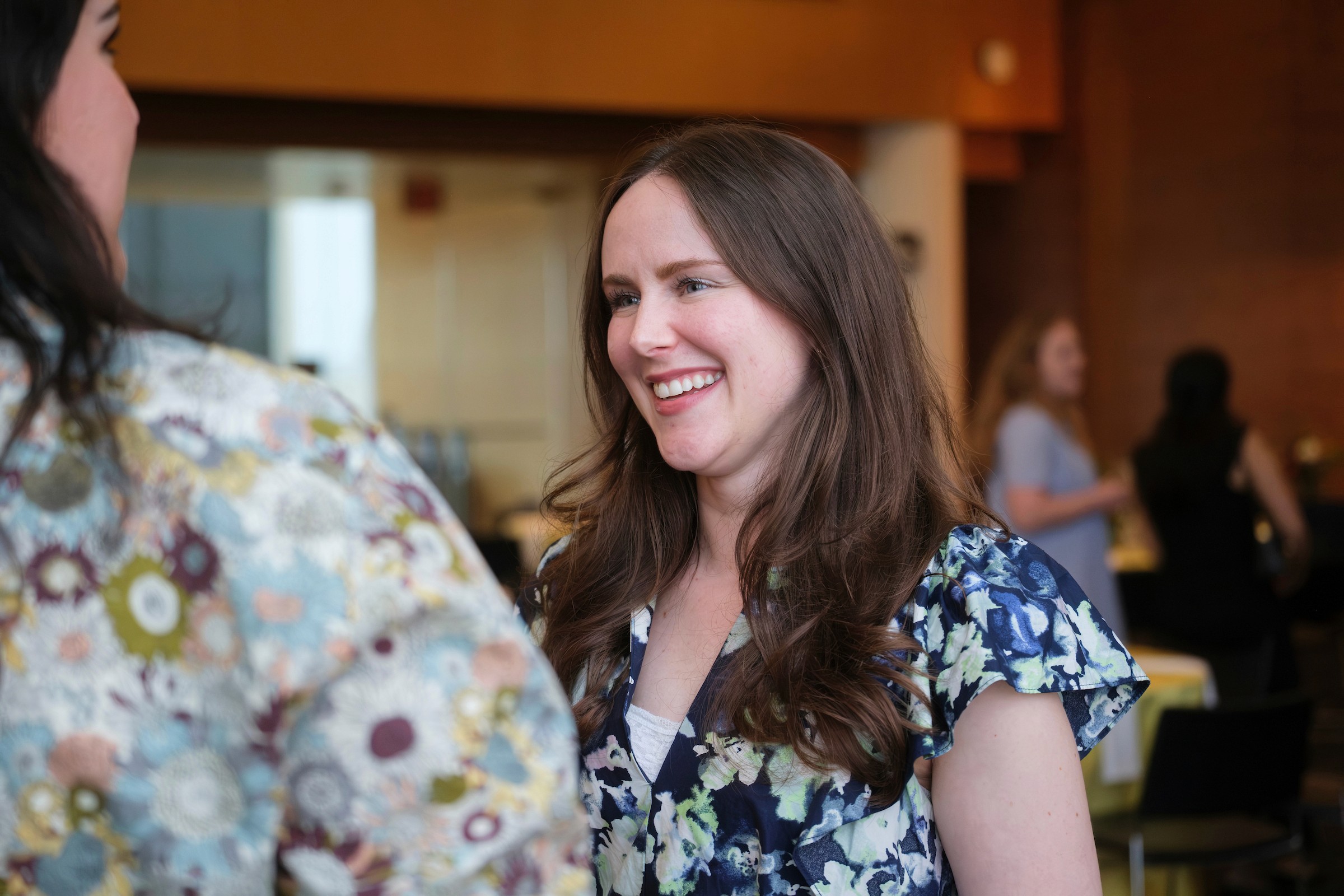
Email Erb Institute Student Affairs Program Manager, Melissa Coveney. Or reach out to one of our student AmbassadErbs!

Questions?
Email Erb Institute Student Affairs Program Manager, Melissa Coveney. Or reach out to one of our student AmbassadErbs!
Stay Connected
Don’t miss what’s next
Join the Erb Institute mailing list to learn more about our programs and opportunities!
Stay Connected
Don’t miss what’s next
Join the Erb Institute mailing list to learn more about our programs and opportunities!
Stay Connected
Don’t miss what’s next
Join the Erb Institute mailing list to learn more about our programs and opportunities!