Graduate Dual Degree
Michigan Climate Venture
Graduate Dual Degree
Michigan Climate Venture
Menu
Don’t just study climate solutions—fund them
Michigan Climate Venture (MCV) is the University of Michigan's first student-led venture fund dedicated to climate technology. Founded in 2021 by Erb Institute students, MCV gives graduate students a rare opportunity to move beyond case studies and simulations—actively sourcing, evaluating, and investing in the early-stage startups shaping our climate future.
THE GOAL: Accelerate decarbonization while preparing the next generation of climate investors, entrepreneurs, and operators.
Don’t just study climate solutions—fund them
Michigan Climate Venture (MCV) is the University of Michigan's first student-led venture fund dedicated to climate technology. Founded in 2021 by Erb Institute students, MCV gives graduate students a rare opportunity to move beyond case studies and simulations—actively sourcing, evaluating, and investing in the early-stage startups shaping our climate future.
THE GOAL: Accelerate decarbonization while preparing the next generation of climate investors, entrepreneurs, and operators.
Don’t just study climate solutions—fund them
Michigan Climate Venture (MCV) is the University of Michigan's first student-led venture fund dedicated to climate technology. Founded in 2021 by Erb Institute students, MCV gives graduate students a rare opportunity to move beyond case studies and simulations—actively sourcing, evaluating, and investing in the early-stage startups shaping our climate future.
THE GOAL: Accelerate decarbonization while preparing the next generation of climate investors, entrepreneurs, and operators.
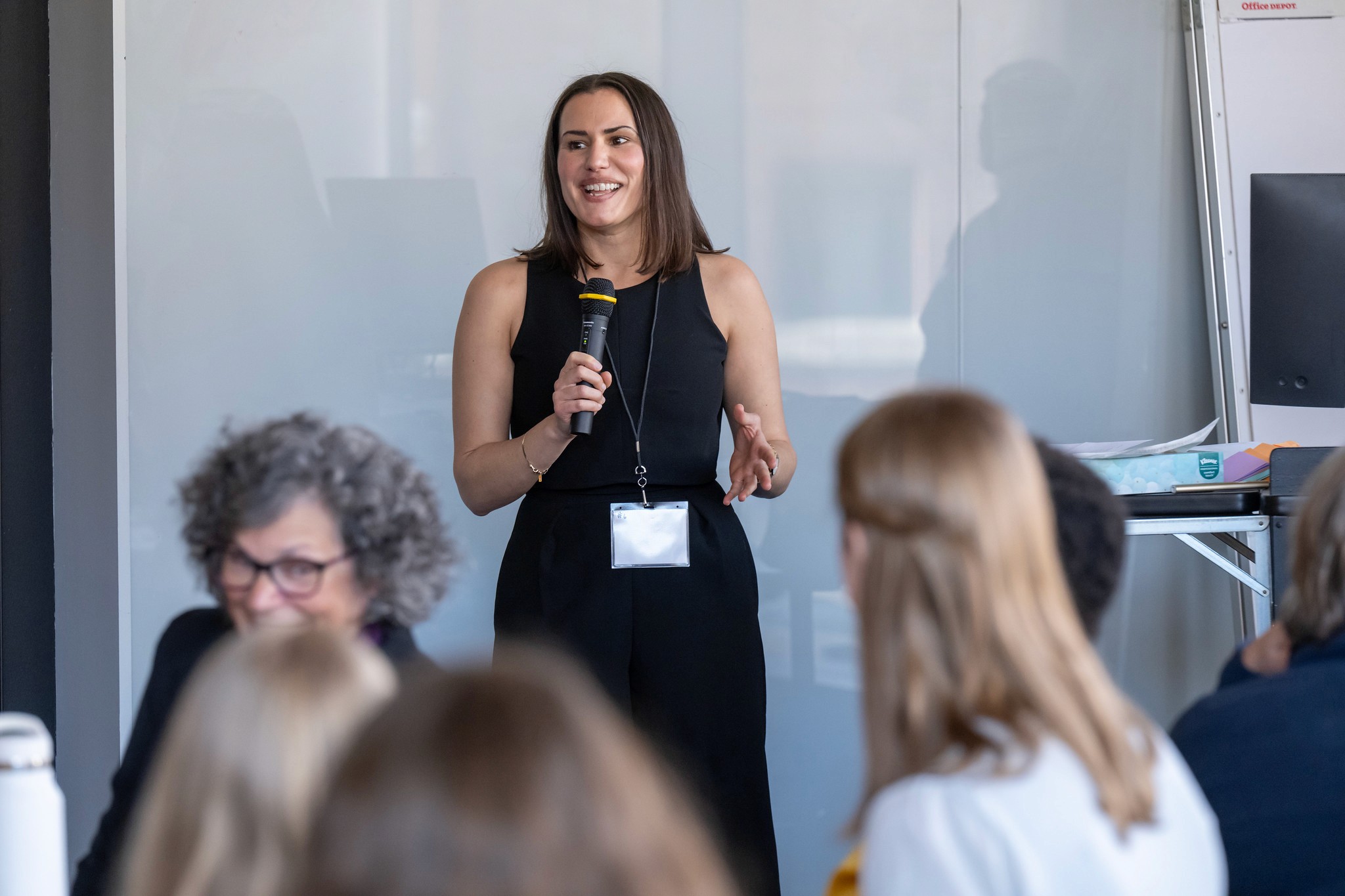
A Hands-On Experience in Climate Tech and Venture Capital
MCV blends three powerful learning modes into one immersive experience:
Classroom learning in climate entrepreneurship and investment
Real-world investing in early-stage climate-tech companies
Ecosystem building across the Great Lakes climate innovation landscape
Graduate students from across campus work together to identify “moonshot” climate solutions—gaining practical experience in due diligence, investment decision-making, and post-investment support, all while contributing to a net-zero future.
A Hands-On Experience in Climate Tech and Venture Capital
MCV blends three powerful learning modes into one immersive experience:
Classroom learning in climate entrepreneurship and investment
Real-world investing in early-stage climate-tech companies
Ecosystem building across the Great Lakes climate innovation landscape
Graduate students from across campus work together to identify “moonshot” climate solutions—gaining practical experience in due diligence, investment decision-making, and post-investment support, all while contributing to a net-zero future.
MCV and the Erb Institute
A partnership rooted in action-based learning
The Erb Institute has been a foundational partner of MCV since its launch, investing $150,000 over the fund’s first three years and committing an additional $50,000 over the next two years. Erb and MCV are building a visible, collaborative partnership that strengthens both organizations.
For Erb students, this partnership expands learning beyond the classroom—connecting faculty expertise, real capital, and live climate markets.
MCV’s Mission and Investment Thesis
MCV develops future climate-tech leaders while investing in early-stage companies with the potential to deliver meaningful decarbonization and positive social impact.
The fund invests in pre-seed and seed-stage startups focused on:
Food & agriculture
Materials & the circular economy
Mobility
With a regional focus on the Great Lakes, MCV deploys impact-driven capital—typically $25,000–$50,000 per company—as an evergreen fund. Each investment is paired with a student team that provides pro bono consulting in finance, strategy, and policy, giving startups hands-on support while students build real-world skills.
MCV and the Erb Institute
A partnership rooted in action-based learning
The Erb Institute has been a foundational partner of MCV since its launch, investing $150,000 over the fund’s first three years and committing an additional $50,000 over the next two years. Erb and MCV are building a visible, collaborative partnership that strengthens both organizations.
For Erb students, this partnership expands learning beyond the classroom—connecting faculty expertise, real capital, and live climate markets.
MCV’s Mission and Investment Thesis
MCV develops future climate-tech leaders while investing in early-stage companies with the potential to deliver meaningful decarbonization and positive social impact.
The fund invests in pre-seed and seed-stage startups focused on:
Food & agriculture
Materials & the circular economy
Mobility
With a regional focus on the Great Lakes, MCV deploys impact-driven capital—typically $25,000–$50,000 per company—as an evergreen fund. Each investment is paired with a student team that provides pro bono consulting in finance, strategy, and policy, giving startups hands-on support while students build real-world skills.
MCV and the Erb Institute
A partnership rooted in action-based learning
The Erb Institute has been a foundational partner of MCV since its launch, investing $150,000 over the fund’s first three years and committing an additional $50,000 over the next two years. Erb and MCV are building a visible, collaborative partnership that strengthens both organizations.
For Erb students, this partnership expands learning beyond the classroom—connecting faculty expertise, real capital, and live climate markets.
MCV’s Mission and Investment Thesis
MCV develops future climate-tech leaders while investing in early-stage companies with the potential to deliver meaningful decarbonization and positive social impact.
The fund invests in pre-seed and seed-stage startups focused on:
Food & agriculture
Materials & the circular economy
Mobility
With a regional focus on the Great Lakes, MCV deploys impact-driven capital—typically $25,000–$50,000 per company—as an evergreen fund. Each investment is paired with a student team that provides pro bono consulting in finance, strategy, and policy, giving startups hands-on support while students build real-world skills.
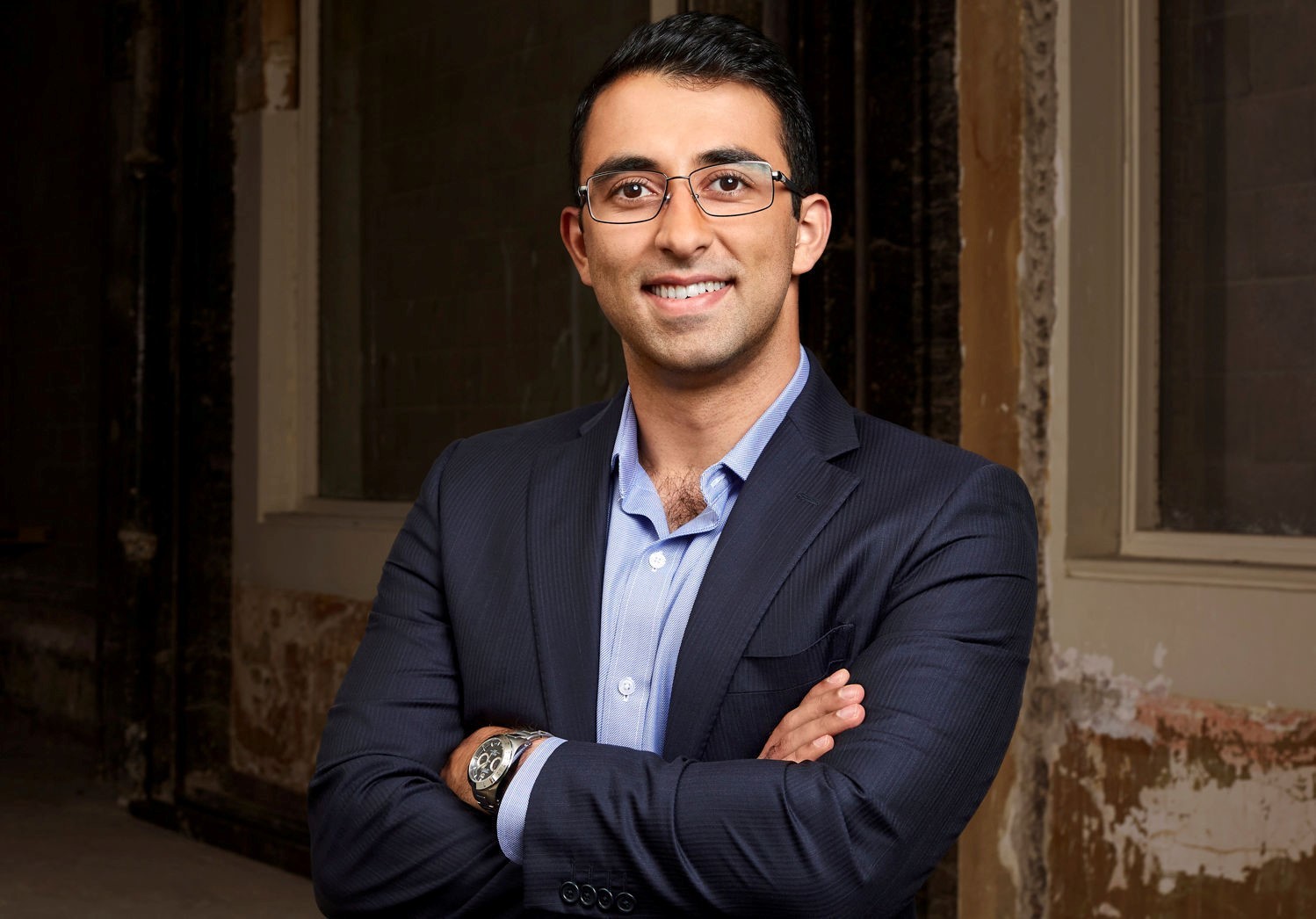
At its core, MCV is an action-based class in the form of a fund. Members are investing in real companies, doing real due diligence, sourcing real, impactful startups that align with our thesis. We have four different focus areas within climate tech: mobility, agriculture, materials, and circular economy. Over the course of a year, we source companies, screen them to winnow them down, and then do a deeper due diligence process on a handful of our favorites. Finally, we vote whether to invest in one to three startups by writing $25,000 to $50,000 checks.
Marcus Missirlian
MBA/MS ‘26
At its core, MCV is an action-based class in the form of a fund. Members are investing in real companies, doing real due diligence, sourcing real, impactful startups that align with our thesis. We have four different focus areas within climate tech: mobility, agriculture, materials, and circular economy. Over the course of a year, we source companies, screen them to winnow them down, and then do a deeper due diligence process on a handful of our favorites. Finally, we vote whether to invest in one to three startups by writing $25,000 to $50,000 checks.
Marcus Missirlian
MBA/MS ‘26
The MCV Triad
Part class. Part fund. Part community.
Part class. Part fund. Part community.
1
In the Classroom
Students learn to approach climate challenges through the lens of entrepreneurship and investment, developing skills in systems thinking, financial analysis, and impact evaluation.
2
As a Fund
Members work directly with portfolio companies after investment, tackling projects that advance startup goals and deepen students’ understanding of how climate ventures scale.
3
Beyond MCV
Graduates carry this experience into the broader climate-tech and entrepreneurship ecosystem—reorienting careers toward impact across venture capital, clean energy, infrastructure, and policy.

Real Impact, Real Results
Two-year, action-based learning program
45+ active members and 100+ alumni
Four completed investments, including:
ReJoule – Battery health and testing platform ($25M raised)
SusMaX – Low-carbon cement from recovered coal ash ($1.6M raised)
Poás Bioenergy – Biochar and syngas from agricultural waste
Uncaged Innovations – Plant-based alternative leather ($7.6M raised)
200+ startups sourced and 12+ vetted annually through MCV’s investment process
MCV alumni and portfolio outcomes demonstrate the program’s ability to accelerate learning in climate, entrepreneurship, and investing—opening doors to careers in venture capital, clean energy, and sustainable infrastructure.
Real Impact, Real Results
Two-year, action-based learning program
45+ active members and 100+ alumni
Four completed investments, including:
ReJoule – Battery health and testing platform ($25M raised)
SusMaX – Low-carbon cement from recovered coal ash ($1.6M raised)
Poás Bioenergy – Biochar and syngas from agricultural waste
Uncaged Innovations – Plant-based alternative leather ($7.6M raised)
200+ startups sourced and 12+ vetted annually through MCV’s investment process
MCV alumni and portfolio outcomes demonstrate the program’s ability to accelerate learning in climate, entrepreneurship, and investing—opening doors to careers in venture capital, clean energy, and sustainable infrastructure.
The Erb Difference
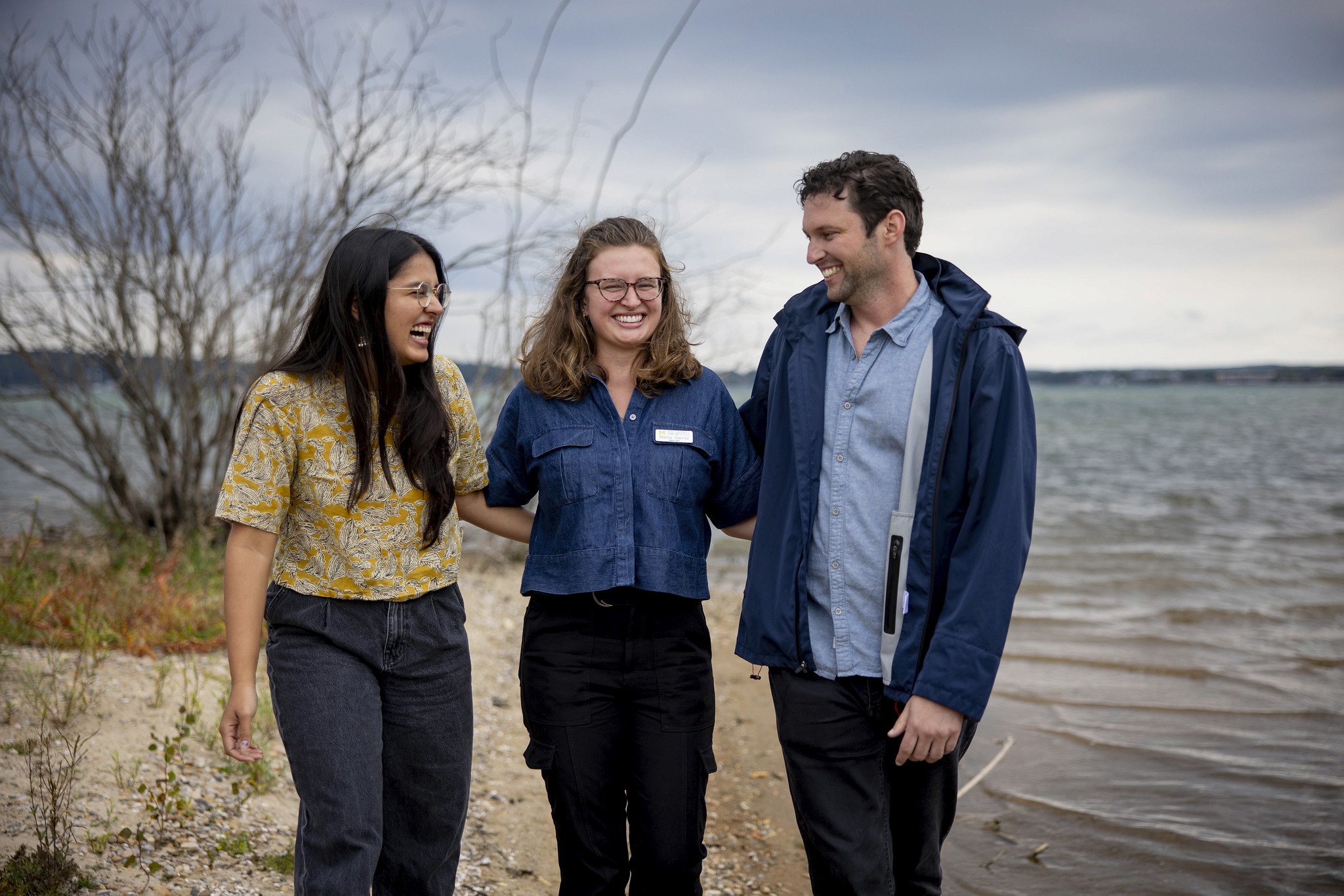
The Great Lakes region has world-class research and talent—but remains undercapitalized in climate innovation. MCV helps bridge that gap by pairing real capital with skilled student teams and a growing network of investors, accelerators, and research partners.
For prospective Erb students, MCV represents what makes the Institute distinctive:
Action-based learning tied to real markets
Cross-disciplinary collaboration
A chance to create measurable climate impact while still in school
Together, the Erb Institute and Michigan Climate Venture offer students not just an MBA/MS, but a platform to shape the future of climate solutions—starting now.
The Erb Difference
The Great Lakes region has world-class research and talent—but remains undercapitalized in climate innovation. MCV helps bridge that gap by pairing real capital with skilled student teams and a growing network of investors, accelerators, and research partners.
For prospective Erb students, MCV represents what makes the Institute distinctive:
Action-based learning tied to real markets
Cross-disciplinary collaboration
A chance to create measurable climate impact while still in school
Together, the Erb Institute and Michigan Climate Venture offer students not just an MBA/MS, but a platform to shape the future of climate solutions—starting now.
Stay Connected
Don’t miss what’s next
Join the Erb Institute mailing list to learn more about our programs and opportunities!
Stay Connected
Don’t miss what’s next
Join the Erb Institute mailing list to learn more about our programs and opportunities!
Stay Connected
Don’t miss what’s next
Join the Erb Institute mailing list to learn more about our programs and opportunities!