New research in Organization Studies reveals why many sustainable businesses underplay their environmental achievements — and how rampant greenwashing is partly to blame.
Based on research by Catherine Summers, Postdoctoral Fellow at the University of Michigan’s Erb Institute; A. Wren Montgomery, Associate Professor of Sustainability at Ivey Business School, Western University, University of Michigan’s Erb Institute Faculty Affiliate; Jennifer L. Robertson, Professor of Organizational Behavior at Ivey Business School, Western University.
When Going Green Means Saying Less
Today’s consumers expect companies to talk openly about their environmental efforts. But new research in Organization Studies reveals a paradox: many firms that are genuinely sustainable are choosing to stay quiet. The study calls this behavior brownwashing (often called greenhushing), where companies understate or hide their eco-friendly actions.
Inside the Study
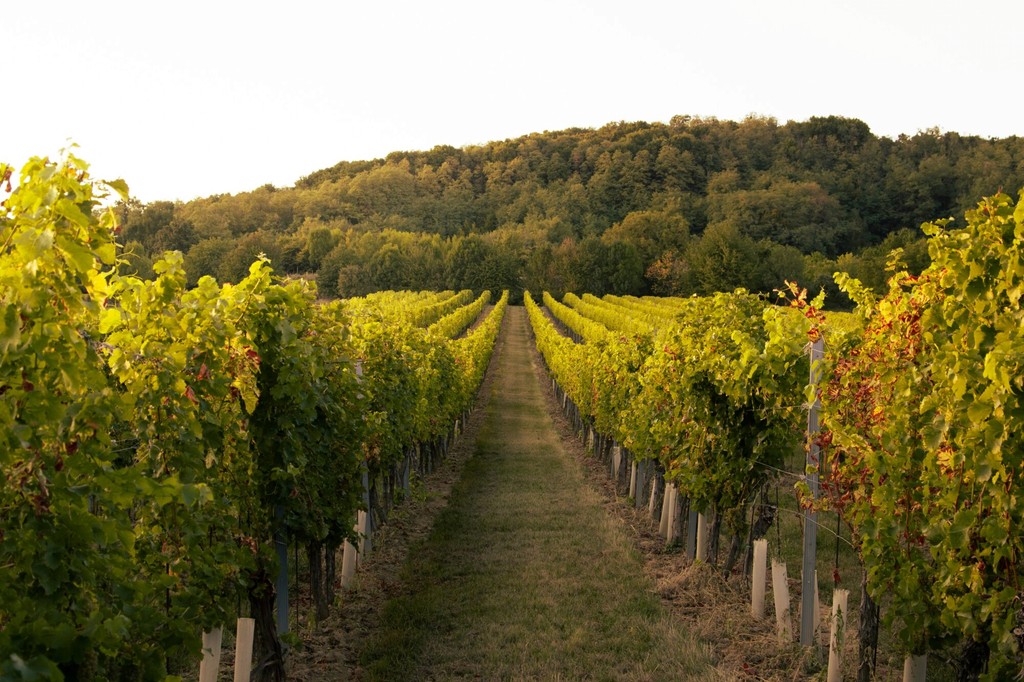
A team of researchers from the University of Michigan and Western University interviewed over 50 wineries across North America. These wineries were leaders in sustainable practices — from organic and biodynamic certification to reduced chemical use — yet many intentionally avoided highlighting these achievements in their branding and marketing.
Why Stay Silent?
The study found two main reasons firms brownwash:
Avoidance brownwashing – staying quiet to avoid negative judgments:
Scrutiny avoidance: avoiding investor or internal backlash over costs.
Hypocrisy avoidance: dodging accusations of “greenwashing” or hypocrisy.
Deviance avoidance: resisting being seen as “different” or “hippie” by peers.
Rejection brownwashing – actively rejecting aspects of sustainability communication:
Constraint rejection: certifications and reporting felt too expensive or restrictive.
Co-optation rejection: frustration with watered-down, overused sustainability labels.
Identity rejection: choosing to emphasize tradition and wine quality instead of sustainability.
The Greenwashing Effect
Ironically, greenwashing — when firms exaggerate their environmental claims — is a major driver of brownwashing. Because greenwashing devalues sustainability labels, many genuinely sustainable firms withdraw from the conversation altogether.
As one winemaker put it:
“I’ve seen too much greenwashing, and greenwashing pisses me off. That’s really why [we stay quiet].”
Why It Matters
Brownwashing isn’t harmless. By withholding sustainability achievements, firms miss opportunities to:
Build consumer trust
Differentiate their products
Contribute to broader environmental transparency
At the societal level, silence can slow the adoption of sustainable practices across industries. According to one executive at a top winery:
“At the beginning it was at the height of like, you were a hippie, you were a tree lover, you’re anti-capitalism.… here’s the thing that really blows me away—we actually have lower than industry standard costs per acre for farming than everyone else. We have longer-lived wines that give us a return on our investment that is something on the order of magnitude of like, 40 times, because our vines will live now 50 years instead of an average of 13.”
Key Takeaways for Leaders
Silence can be costly. Even when sustainability practices are genuine, staying quiet (brownwashing) may erode trust, miss market opportunities, and stall industry-wide progress.
Greenwashing fuels brownwashing. Exaggerated claims by competitors often discourage authentic firms from communicating at all. Credible standards and accountability mechanisms are needed to restore value to sustainability labels.
Transparency builds resilience. Firms that clearly — and accurately — share their environmental achievements are better positioned to withstand scrutiny and differentiate themselves in crowded markets.
Balance identity and communication. Many wineries rejected “sustainability” branding because it felt diluted or politicized. Companies should explore alternative ways to communicate values that resonate with their stakeholders without abandoning sustainability altogether.
Policy and industry groups matter. Stronger certifications, clearer standards, and incentives for honest reporting can help reduce the incentive for firms to hide their progress.