Two Erb alumni help expand composting in Washtenaw County
Category:
Alumni
30th Anniversary
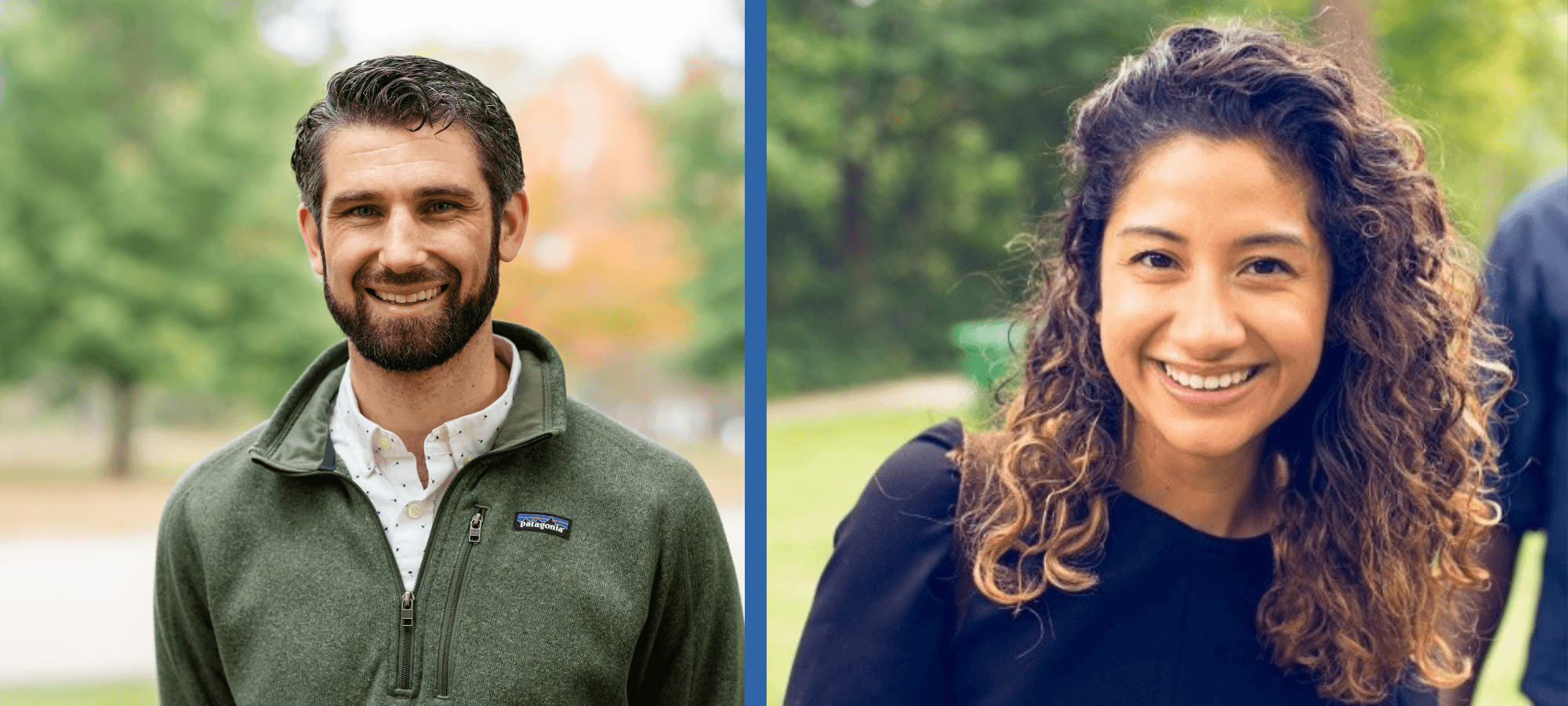
A composting program in Washtenaw County, Michigan, recently brought together two former classmates: Theo Eggermont (MBA/MS ’17), public works director at the Washtenaw County Water Resources Commissioner’s Office, and Paula Luu (MBA/MS ’19), then senior project director at Closed Loop Center for the Circular Economy.
In Washtenaw County, the City of Ann Arbor currently is the only municipality with organics curbside collection, and Dexter Township will join Ann Arbor in April 2026. To expand organics collection to more people, Theo and his team devised a pilot program to establish drop-off sites around the county and applied for grant funding.
Meanwhile, Paula was the lead in the inaugural grant program of Closed Loop Partners’ Composting Consortium, with partnership from Biodegradable Products Institute and technical support from the US Composting Council. The county’s application stood out because it was willing to co-invest in launching the pilot, and the projected impact per dollar invested exceeded that of other proposals, she says.
“It was a competitive grant program. We awarded only 7% of municipalities and composters that applied,” Paula says. “I was over the moon to learn that Washtenaw submitted an application, and even more thrilled that the selection committee was supportive of the Washtenaw pilot project.”
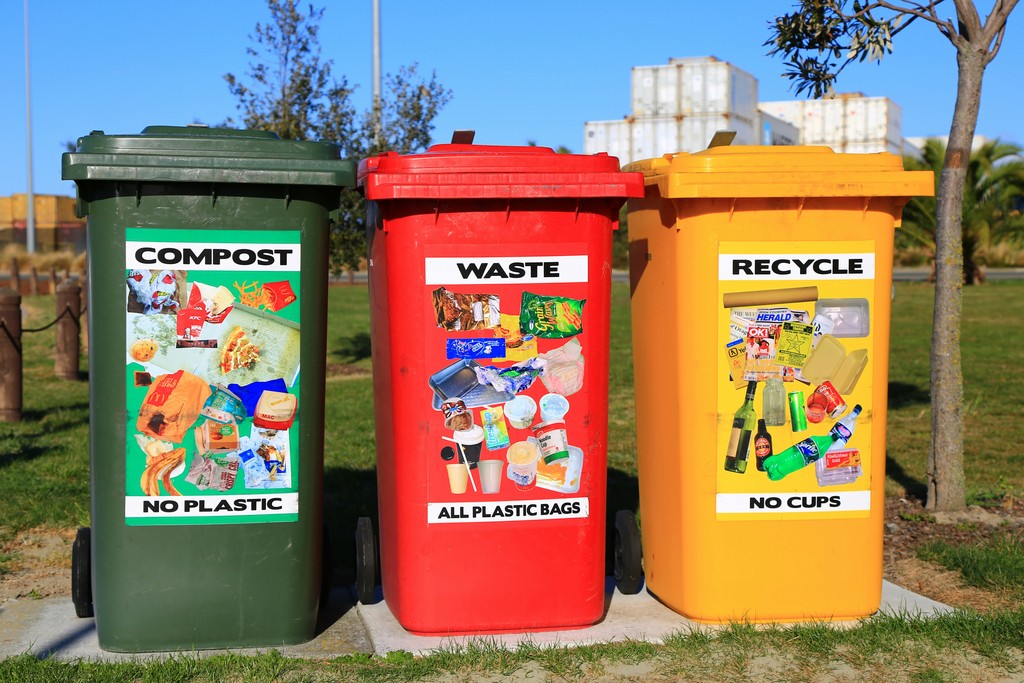
During the year-long pilot program, Washtenaw residents can take their countertop compost bins and drop off the food waste and certified compostable products in organics recycling bins at a site in Ypsilanti, and soon in Salem and Dexter, too. It’s open to anyone in Washtenaw County who wants to participate. As the county monitors how much organic waste people are dropping off, it may add other sites in Ypsilanti.
“As we've learned more about the amount of organics that end up in landfills, the environmental challenges that that creates, with methane and other greenhouse gases being released, Washtenaw County has looked for ways to reduce the organic waste that ends up in landfills,” Theo says.
This collaboration marks a meaningful reunion for Paula and Theo. “Third-years are incredibly supportive of first-year Erbers when they arrive on campus, and Theo was a perfect example of the support elder-Erbers offered,” Paula says. “During my first fall, he generously offered his advice on prioritizing my time across the amazing opportunities on campus.”
Their work overlapping is an example of the Erb community’s strength, Paula says. She and Theo went “from a mentor or peer-to-peer relationship to change-making partners in less than 10 years—and back in the community where we both went to grad school, no less. It's such a full-circle moment,” she says.
The grant gets the ball rolling for Washtenaw County’s expanded composting efforts. And such programs often have to start fairly small.“With municipal organics collection programs, there’s often a development arc that includes a safe starting point, like a pilot program, and a steady rollout to full-city or county access to curbside collections,” Paula says. “Municipalities strategically learn and tweak the program along the way.”
Also, changing the culture around organics recycling takes time, Paula says. “People don't change easily, and often when they do, it's incremental—we're talking one step at a time. What that means for infrastructure is it needs to sort of nudge people along.”
That’s what the county’s pilot enables. “In time, the hope is that we can have municipalities include food waste in their curbside collection with yard waste,” Theo says. “To do the maximum good, we need to make this accessible and convenient. And right now, we're just in the early days, getting people interested and providing an avenue to that.”
Paula adds, “There's a fascinating tension between the need and desire to divert food waste and the tools that make that convenient and efficient. We just have to be thoughtful about how we design programs and policies in order to maximize local participation." She is currently the managing director of BioCycle, a media company and consulting firm that focuses on organics recycling and scaling the circular economy infrastructure.
Both Paula and Theo say Erb has prepared them for their current work. Paula came from an environmental nonprofit background and learned business concepts for the first time at Erb. “What Erb allowed me to do was really sit between two very different cultures and ways of thinking and marry them together,” she says. “It was like soil for me to grow into a ‘business person.’”
Theo says his time at Erb gave him frameworks that he uses to tackle problems, like stakeholder engagement, both externally and internally. He also gained confidence and leadership skills, including “thinking about how to approach an issue and then address it,” he says.
In different roles and sectors, both Paula and Theo have been working to boost infrastructure to divert food waste—and to move closer to zero waste.
The Washtenaw pilot is diverting food waste, reducing methane emissions from the landfill, and turning food waste into compost that can renew soils and communities, Paula says. “The way this Washtenaw project brought an Erb classmate back into my orbit feels serendipitous, and it says a lot about the strength of the Erb network.”
This post is part of Erb’s 30th Anniversary series, celebrating three decades of impact at the intersection of business and sustainability.