Rethinking Impact: What a Trip to Ghana Taught Me About Sustainable Business
Category:
Student Voices
Student Experience
News
Author:
Saron Mechale, MBA/MS ’27
When I applied to the Erb Institute, I knew I wanted to sit at the intersection of business and sustainability. What I didn’t fully anticipate was how deeply that lens would shape not just what I learn—but how I experience the world.
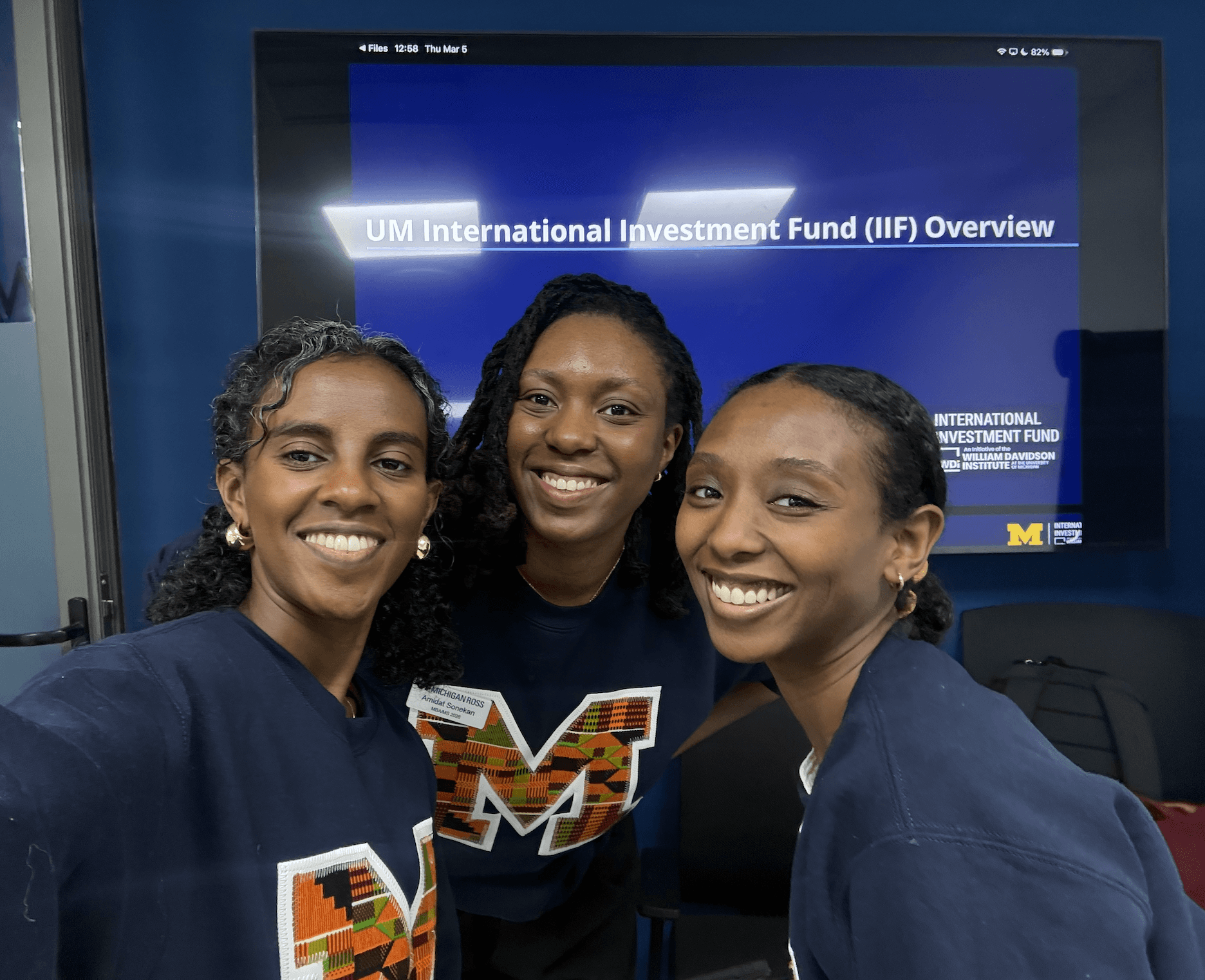
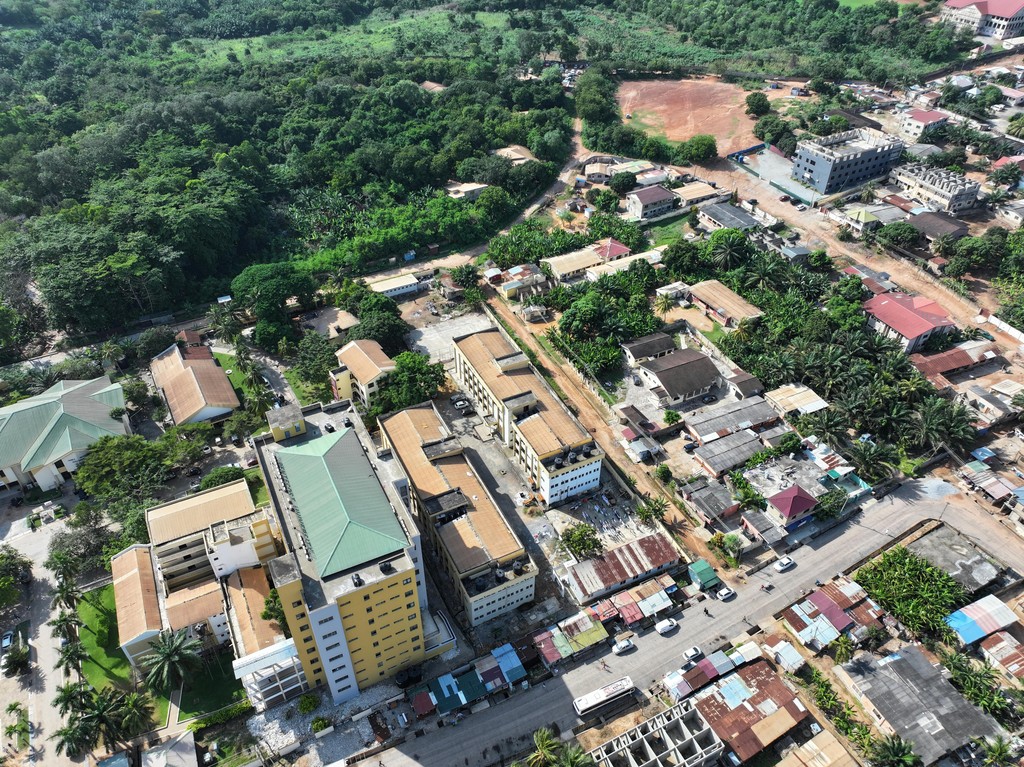
My recent trip to Accra, Ghana was easily one of the most impactful experiences of my MBA so far. The trip was part of my work with the International Investment Fund (IIF), a student-run, education-first venture fund at the University of Michigan partnering with the William Davidson Institute. There are many student-led funds at Ross but what makes IIF unique is that we are the only ones focused on investing in emerging markets. IIF counts as a class that you get credit for while also giving you real-world investing experience as part of a venture fund. IIF’s thesis is that investing in early-stage startups across emerging markets generates both impact and strong financial returns. While the trip itself was organized through the business school, it was made possible for me through Coultrap funding from Erb—a perfect example of how Erb enables students to engage meaningfully at the intersection of business and sustainability.
What made the experience especially meaningful was getting to engage real-time with founders and startups on the ground—as an investor and ecosystem partner—and doing so through a sustainability lens shaped by my experience as an Erber. Having been on the other side as a founder, this shift pushed me to think more critically about how capital flows, how decisions are made, and where the system is falling short. Spending time with different ecosystem players also gave me a sense of how varied the landscape is, from more structured innovation hubs to earlier-stage organizations still building their capacity.
One of my biggest takeaways, particularly through an Erb lens, was how misaligned traditional venture capital models can be in emerging markets. The focus on hypergrowth over building sustainable, profitable businesses doesn’t always make sense in environments where capital isn’t abundant and startups are navigating layers of complexity—from policy and infrastructure to behavior change. These are not problems that can be solved quickly, nor are they always suited to the typical venture timeline.
There’s also a clear overemphasis on tech-driven solutions. While technology is a powerful enabler, many of the most pressing challenges in emerging markets are deeply physical—agriculture, logistics, manufacturing, and access to basic services. By focusing too narrowly on SaaS-like models, traditional VC risks overlooking businesses that are solving real, tangible problems but may not fit a conventional “venture-backable” mold.
This tension made me reflect on what a sustainable investment approach should look like. As Erbers, we’re constantly encouraged to think about long-term systems impact—how decisions made today shape outcomes years down the line. That perspective felt especially relevant in Accra. If sustainability is about creating systems that endure, then shouldn’t our funding models reflect that? Shouldn’t they prioritize resilience, adaptability, and real value creation over short-term growth metrics?
One company that brought these ideas to life for me was Complete Farmer. They are building a platform that connects farmers to global markets, supports them across every step of the value chain, and promotes more sustainable agricultural practices. What stood out in learning about Complete Farmer was the opportunity in emerging markets to build sustainably from the start. Unlike Western countries, many agricultural ecosystems in these regions haven’t yet been locked into extractive, industrialized practices. That creates a unique chance to scale in a way that is both economically viable and environmentally responsible. In many ways, this positions emerging markets—particularly across Africa—to lead the next era of sustainable agriculture, demonstrating that productivity and long-term environmental stewardship can go hand in hand.
Experiences like this pushed me to think more broadly about what it means to support and scale these kinds of businesses. And when it comes to funding them, I was inspired by the opportunity to help redefine what better funding models could look like for the context of emerging markets. As part of a student-run fund, we have a unique chance to rethink our approach—whether that’s being more intentional about what we fund or building value beyond capital. This could mean supporting founders through advisory work, connecting them to university resources, or even rethinking how we define success and returns.
The experience also made me think about what it means to sustain impact beyond a single trip. For me, that means continuing to engage with the ecosystem—starting with leading a pitch workshop for some of the founders we met, leveraging my background to support them in storytelling and fundraising. It’s a small step, but one that reflects a broader commitment to showing up as a thoughtful, long-term partner.
That, ultimately, is what being an Erber has come to mean to me. It’s not just about having access to opportunities like this—it’s about carrying a sustainability lens into every space you enter and asking harder questions about impact, equity, and long-term value. Sometimes that shows up in big ways, like rethinking investment models. And sometimes it’s smaller—like picking up plastic after a walk along the coast of Accra, recognizing that sustainability is as much about everyday actions as it is about systems change.
If you’re considering Erb, know that it’s not just a program—it’s a mindset. One that will challenge you to think more holistically, act more intentionally, and engage with the world in a way that is both grounded and transformative.