The Problem with End-of-Life Tires
Category:
Student Voices
News
Author:
Daniel Tinajero, MBA/MS '27
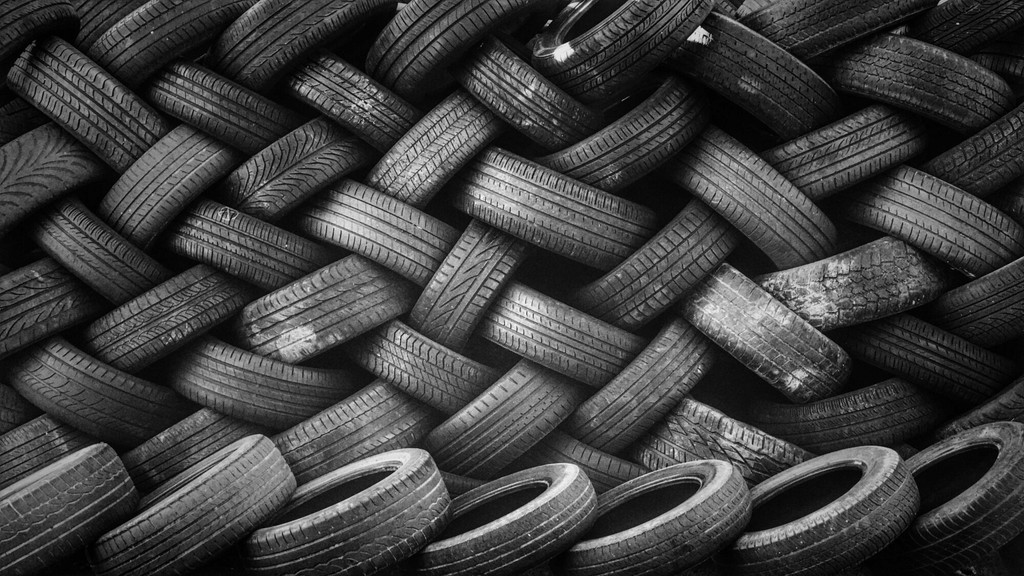
Every year, the world discards more than one billion tires. Once they reach the end of their useful life, these end-of-life tires (ELTs) often become an overlooked environmental burden, piling up in landfills, sitting in stockpiles, or being burned in open environments.
For decades, ELTs have been treated primarily as a disposal problem. Today, however, they are increasingly being viewed as a resource with real economic, environmental, and industrial value.
Market and Value Creation Opportunities
The ordinary life cycle of tires follows a familiar pattern: manufacture, use, and discard. In today’s era of ESG and circularity, technological advancements and innovation allow us to create value from what were once undervalued waste products, opening new market opportunities and helping address bottlenecks across supply chains.
In addition to new value and market creation through recovered carbon black (rCB) (more on this below), steel wire and oil derived from ELTs can displace newly extracted resources. This reduces pressure on raw materials and lowers lifecycle greenhouse gas (GHG) emissions. This circular framing is gaining momentum, particularly in regions prioritizing decarbonization, energy security, and waste reduction. Major tire manufacturers are also beginning to commit to recycled content in future products, creating long-term demand signals for ELT-derived materials.
Case Study on Pyrolysis: Unlocking New Value
Pyrolysis heats ELTs in an oxygen-free environment, breaking them into three primary products:
Tire-Derived Oil (TDO/TPO) – A heavy oil that can be refined into marine fuel, diesel-range products, or used as feedstock for sustainable aviation fuel (SAF) production pathways.
Recovered Carbon Black (rCB) – A valuable material that can replace virgin carbon black in rubber, plastics, and inks, delivering reductions in GHG emissions relative to traditional production.
Steel Wire – Recovered and recycled into metal markets, preventing additional GHG emissions associated with primary steel production.
What makes pyrolysis particularly compelling is its ability to transform a difficult waste stream into industrial inputs with established market demand. As downstream refining technologies improve and sustainability regulations tighten, the value proposition continues to strengthen.
Wastefront offers a clear example of how this model can work at scale. As the first tire-to-SAF platform, the company leverages established pyrolysis technology that can be deployed commercially, creating a clear pathway for converting ELTs into high-value, low-carbon fuels. Its proven process, combined with upgrading capabilities, demonstrates that tire-derived oil can meet stringent fuel specifications.
By relying on an existing, validated technology stack, projects like this can reduce technical risk, accelerate development timelines, and move more quickly toward securing offtake agreements, financing, and regulatory alignment. This provides confidence to stakeholders that tire-to-fuel production is not conceptual, but immediately actionable.
End-of-life tires represent one of the world’s most undervalued waste streams, with the potential to generate multiple revenue streams through rCB, steel wire, and fuel oil. With the right combination of technology, policy, and business models, ELTs can play a meaningful role in a circular economy — creating jobs, reducing emissions, and transforming a global waste challenge into an economic opportunity.
This momentum was reflected at the recent Trellis event, where a dedicated session explored both traditional and emerging feedstocks that can support the growth of the sustainable aviation fuel sector. For first movers, the opportunity is clear: generate value from undervalued waste while helping solve a global problem.