Pedaling Forward: The 2025 National Campus Bike Summit and the Future of Sustainable Transportation
Category:
Erb Fellows
News
Author:
Bea Kaskie, Erb Undergraduate Fellow '26
Pedaling Forward:
The 2025 National Campus Bike Summit and the Future of Sustainable Transportation I recently attended the 2nd annual National Campus Bike Summit in Missoula, Montana, hosted by the University of Montana. The two-day gathering brought together transportation planners and student organizers from across the country to share strategies, challenges, and innovations regarding campus active transportation. It was an excellent opportunity not only to witness what a bike-friendly campus and community could look like, but also to connect with fellow advocates and build an interconnected network for change.
Beyond Bike Lanes
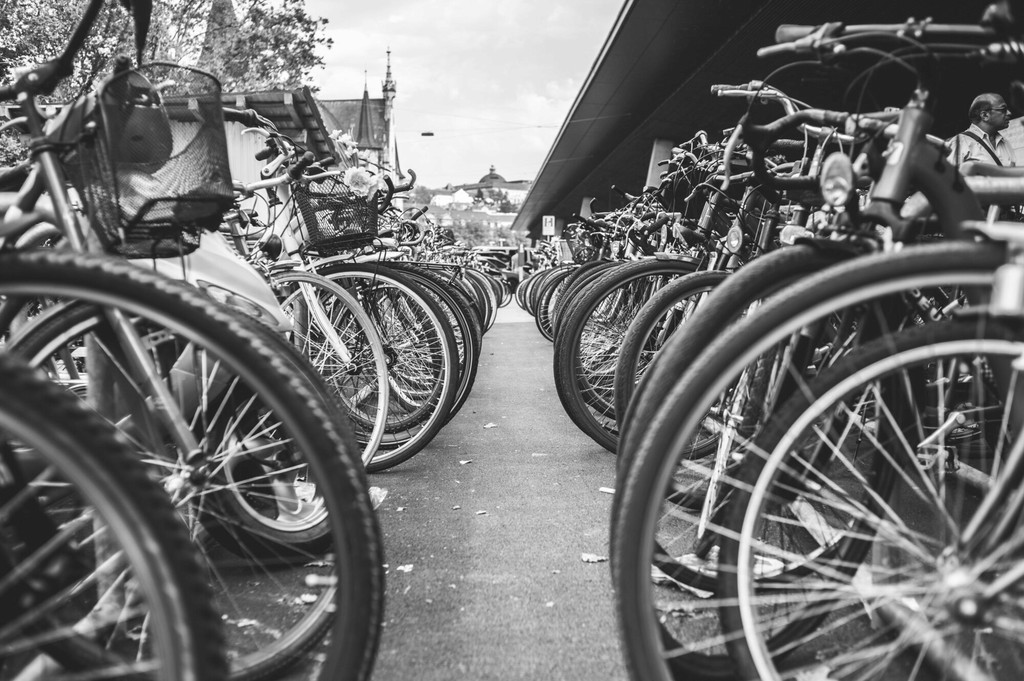
The University of Montana holds a Gold Level Bicycle Friendly University designation from the League of American Bicyclists. Throughout the summit, we enjoyed campus tours and workshops, during which their team walked us through their approach. They've integrated active transportation into orientation programs, created commuter incentives, and established a bike resource hub. Each touchpoint reinforces that biking behavior needs more than just protective physical infrastructure (although that’s important!!). Montana was not alone in this approach. Universities spanning from Kentucky to California have been adapting more engaging programming where students not only receive discounted resources but also connect with their peers and learn how to safely ride and maintain their vehicles.
This intentionality matters. For my thesis comparing university bike resource hubs nationwide, I'm analyzing what makes certain programs stick and thrive while others fall stagnant. I am grateful for the connections I made this past week that will allow me to continue to explore their experiences in bike program development and draw conclusions that can shape our own programming in Ann Arbor.
Peer Influence Drives Student Behavior
I participated in a student panel alongside peers from the University of Arkansas and the University of Montana. Our discussion centered on peer behavior shaping—how the unique environments of college campuses lead to significant peer influence on one another’s transportation choices. We provided insight to administrators regarding community and organizational networks related to the social capital students hold for one another. Whether it was joking about e-scooters or discussing the dangers of being a student commuter, it was clear that our role was to create shifts in social perceptions around biking and rider safety.
For prospective and current Erb students, community connection and involvement are vital to our futures in sustainability. At the end of the day, sustainability challenges are human challenges. Whether you're designing bike infrastructure, corporate sustainability programs, or policy frameworks, it is imperative that we hold an open understanding of the unique social dynamics that drive adoption or resistance. This experience and my greater involvement with Erb continues to equip me with tools to think systematically while remaining grounded in how decisions are actually made and implemented.
Learning from Challenges
Through two days of seminars crafted by active transportation administrators from over 6 different institutions, the summit tackled real barriers: limited budgets, seasonal weather constraints, accessibility concerns, and integration of e-bikes and scooters into campus ecosystems. Different institutions are experimenting with solutions adapted to their own constraints and visions. These conversations revealed that every campus functions as a testing ground. The solutions we develop here influence municipal planning and organizational transportation strategies beyond universities. This "campus as lab" philosophy is core to the work I do as the U-M Student Life Sustainability Bike Advocacy Intern and only further solidifies efforts to document and retain the knowledge we gain from our piloting.
Applying the Learning
I want to extend a special thank-you to the Erb Institute and the program’s Professional Development funding, which made this experience possible. Their generosity enabled me to engage directly with collegiate leaders in sustainable transportation and expand my thesis work beyond theoretical frameworks.
The National Campus Bike Summit demonstrated that meaningful transportation change happens when we learn from peers facing similar challenges, experiment with adapted solutions, and recognize that how we move through spaces shapes community culture. Universities have significant power to influence regional transportation norms.